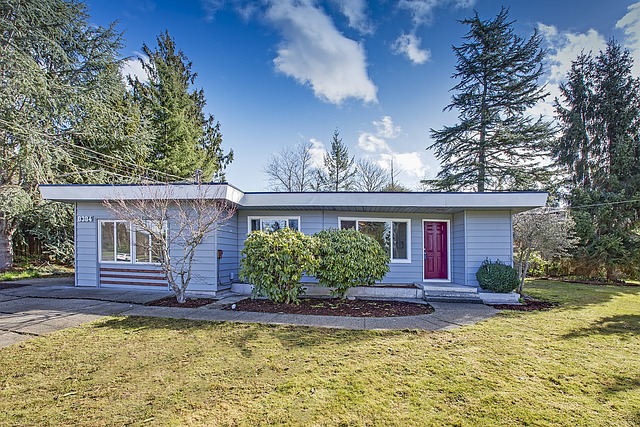
Real Estate professionals use Comparable Sales Analysis (CSA) to objectively assess property values by comparing recent sales of similar properties, considering location, size, age, condition, and unique features. CSA aids in setting reasonable prices, fostering trust, tracking market trends, and optimizing listing/purchase timing. Assessments involve quantitative analysis (market data, property inspection) and qualitative insights (neighborhood, amenities, school quality, crime rates), integrating diverse data points to deliver authoritative value estimates for informed decisions.
In the dynamic realm of real estate, accurately assessing comparable property values is a cornerstone for informed decision-making. Professionals rely on meticulous analysis to guide clients through complex markets, ensuring fairness in transactions. However, navigating this process can be challenging due to diverse market conditions and unique property characteristics.
This article delves into the expertise required to assess comparable home prices effectively. By exploring proven methodologies and best practices, we aim to empower real estate professionals to provide precise valuations, fostering transparency and trust in a vital sector.
Understanding Comparable Sales Analysis in Real Estate
Professionals in real estate often rely on a fundamental practice known as Comparable Sales Analysis (CSA) to accurately assess property values. This method involves meticulously examining recent sales of similar properties within the same market, factoring in various attributes like location, size, age, condition, and unique features. The data collected is then utilized to establish a range of estimated values for the target property, ensuring a well-informed appraisal.
For instance, let’s consider a residential real estate agent assessing a single-family home in a desirable suburb. They would first identify comparable properties that have sold within the past six months, all within a close radius and sharing comparable amenities. By analyzing these sales data, the agent can determine the average price per square foot for similar homes in the area. This information is crucial when comparing the target property’s features and ultimately setting an asking price or making a competitive offer.
CSA offers several advantages in real estate transactions. It provides an objective benchmark, reducing potential biases that may arise from subjective appraisals. Accurate comparisons lead to more reasonable sales prices, fostering trust among buyers and sellers. Moreover, this analysis allows professionals to stay abreast of market trends, enabling them to advise clients on optimal timing for listings or purchases. By understanding comparable sales, real estate experts can navigate the dynamic landscape, ensuring transactions are both lucrative and beneficial for all parties involved.
Gathering and Evaluating Data for Accurate Home Pricing
Professionals in real estate rely on meticulous data gathering and evaluation to arrive at accurate home pricing. This process involves a multi-faceted approach, encompassing market analysis, comparative research, and thorough property assessment. To start, agents collect relevant data points such as recent sales transactions, listing prices, and market trends specific to the neighborhood or area. They also factor in property characteristics like size, age, condition, features, and amenities, which significantly influence home values. For instance, a well-maintained single-family home with updated kitchens and bathrooms in a sought-after suburb may command a premium compared to a similar but older property in a less desirable location.
Comparative market analysis (CMA) is a cornerstone of this process. CMA involves comparing the subject property to comparable properties that have recently sold within the same geographic area and under similar circumstances. Real estate professionals use tools like Multiple Listing Services (MLS) or specialized software to access this data, ensuring they capture relevant sales and pricing history. By cross-referencing these figures with current market conditions, agents can make informed adjustments to arrive at a reasonable asking price. For example, if three comparable homes sold within the past month, each with 3 bedrooms and 2 baths but differing in size or renovation status, the agent would weigh these variables to determine an appropriate pricing strategy for the listed property.
Furthermore, professionals must consider qualitative factors that can enhance or diminish a home’s value. This includes neighborhood desirability, local amenities, schools, crime rates, and economic trends. For instance, a home nestled in a quiet, tree-lined street with highly rated public schools might command a higher price than an identical property on a busier street without such advantages. By integrating both quantitative data (sales prices, property details) and qualitative factors (local appeal, market sentiment), real estate professionals can offer expert assessments that align with current market dynamics, ensuring both accuracy and competitiveness in the real estate landscape.
Techniques for Professional Home Value Assessments
Professional home value assessments require a meticulous approach, combining quantitative analysis with qualitative insights to arrive at an accurate estimate. The process begins with a comprehensive market analysis, where assessors study historical sales data of similar properties in the immediate neighborhood. This involves examining key factors such as location, property type, size, age, and recent improvements made to comparable homes. For instance, a real estate professional might compare a target property to recently sold houses within a one-mile radius, factoring in differences in square footage, number of bedrooms, and additional amenities.
Next, a detailed inspection of the subject property is conducted, noting its architectural style, construction quality, and any unique features or upgrades. Assessors use standardized appraisal methods to assign values to different aspects of the home, such as the roof, plumbing, electrical systems, and structural integrity. For example, an assessor might attribute a higher value to a well-maintained historic home with original architecture and high-end finishes compared to a similarly sized property with outdated fixtures and subpar construction.
Furthermore, assessors consider external factors that influence property value, including local real estate trends, economic conditions, and neighborhood development plans. They may also account for market dynamics like supply and demand, which can significantly impact home prices. For instance, a surge in buyer interest or limited inventory can drive up property values. By integrating these diverse data points, professionals provide an authoritative estimate of a property’s worth, assisting buyers, sellers, and lenders in making informed decisions within the dynamic real estate market.