
Real Estate professionals rely on comparable price analysis for accurate property valuations. This involves comparing recent sales data based on location, type, size, age, condition, and market trends. Advanced tools like data analytics and mapping help identify neighborhood dynamics and individual property characteristics. Effective data collection, training, and networking ensure precise valuations in a competitive market. Data-driven insights from platforms and algorithms uncover patterns, while virtual tours standardize viewing criteria for remote analysis. Globalized real estate benefits from these techniques, enhancing accuracy, catering to diverse markets, and streamlining the evaluation process.
In the dynamic realm of real estate, accurately assessing comparable property values is a cornerstone for fair transactions and informed decisions. Professionals face the challenge of navigating diverse markets, each with unique factors influencing prices. This complexity necessitates a methodical approach to ensure valuations align with market realities. The article delves into the strategies employed by seasoned real estate experts to objectively evaluate comparables, providing insights that enhance the integrity of property appraisals and empower stakeholders in making sound investments.
Understanding the Art of Comparable Price Analysis in Real Estate

In real estate, understanding comparable price analysis is a critical skill for professionals to master. This method involves evaluating recently sold properties similar to the one under consideration, providing an objective benchmark for assessment. By comparing apples to apples, so to speak, agents, appraisers, and investors can make informed decisions about property valuation. The art lies not just in selecting comparable properties but also in interpreting their sales data accurately.
Key factors come into play when performing this analysis. Location is paramount; even seemingly minor differences in neighborhood amenities or views can significantly impact a property’s worth. Property type, size, age, and condition are equally important. For instance, a modern condo in a prime urban area will fetch a higher price than a comparable unit in a suburban development, reflecting market dynamics and lifestyle preferences. Time is also crucial; seasonal fluctuations and economic cycles can cause price variations, necessitating adjustments to the analysis.
Practical insights for practitioners include maintaining an up-to-date database of recent sales, utilizing advanced data analytics tools to identify patterns, and staying attuned to local real estate trends. For example, a study by the National Association of Realtors (NAR) revealed that homes listed in the spring tended to sell faster and at higher prices than those listed during winter months. Incorporating such insights into comparable price analysis can fine-tune valuation estimates. Ultimately, this method allows professionals to provide more precise appraisals, facilitating efficient transactions within the dynamic real estate landscape.
Mastering Data Collection for Accurate Home Valuations
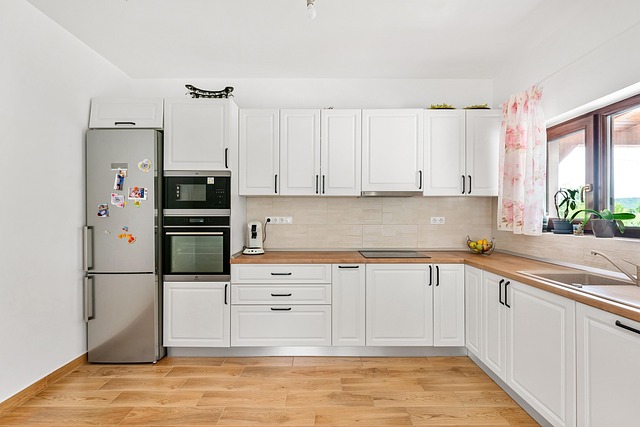
Professionals in the real estate industry understand the paramount importance of accurate home valuations. Mastering data collection is a cornerstone of this process, as it directly impacts the reliability of appraisals. In a competitive market, where properties can change hands rapidly, having precise data is not just beneficial; it’s essential. The complexity of real estate naturally requires a robust data collection process to account for numerous influencing factors, from neighborhood trends to individual property characteristics.
For instance, consider two similar homes in the same area. One, with a recent renovation, may command a higher price due to its modern amenities and improved aesthetics. Conversely, a home with historical significance could have a unique appeal that drives up its value, even if it requires substantial maintenance. Effective data collection involves gathering not just basic demographic information but also detailed notes on property features, recent sales figures, and market trends. Advanced tools, such as digital mapping and data analytics platforms, can provide insights into local infrastructure, crime rates, and proximity to amenities, all of which contribute to a comprehensive valuation.
Actionable advice for professionals includes staying abreast of data collection methodologies and tools. Regular training and certification in data analysis ensure appraisers are equipped to interpret complex data sets accurately. Additionally, maintaining an extensive network with local real estate agents, developers, and other professionals can provide access to valuable insights and recent market transactions, enhancing the depth and accuracy of collected data. Ultimately, continuous refinement of data collection practices is key to staying ahead in the dynamic real estate landscape.
Advanced Techniques to Assess and Justify Property Prices

In the dynamic real estate market, accurately assessing comparable home prices is not merely a task but an art. Advanced techniques have emerged to navigate this intricate process, ensuring justifications for property valuations are robust and data-driven. One such technique involves multi-faceted analysis, where professionals scrutinize various factors beyond traditional metrics. For instance, considering the neighborhood’s unique characteristics—like proximity to schools, parks, or transportation hubs—can significantly influence a property’s value. These intangibles often drive demand, making them essential in any comprehensive assessment.
Data-driven insights play a pivotal role in modern real estate appraisal. Advanced analytics platforms enable professionals to process vast datasets, including historical sales figures, market trends, and economic indicators. By employing machine learning algorithms, they can identify patterns and correlations that might not be apparent through manual analysis. For example, a study by the National Association of Realtors revealed that properties with high-speed internet access sold at a premium compared to their counterparts without this amenity. Incorporating such insights ensures appraisers stay ahead of the curve in justifying price points.
Moreover, leveraging digital tools for virtual tours and 3D modeling allows prospective buyers and assessors to experience properties remotely. This technology streamlines the comparative analysis process by providing a standardized viewing experience. For instance, a professional can compare various listings’ features virtually, ensuring consistency in assessment criteria. As real estate becomes increasingly globalized, these advanced techniques not only enhance accuracy but also cater to diverse markets, making the evaluation process more efficient and transparent.


