Real Estate value determination involves a meticulous blend of property analysis and market trends. Structural features, design, construction quality, and age significantly impact aesthetics and functionality, influencing property value. Local environment, amenities, and services also play crucial roles.
Market trends, economic indicators like job growth, demographic shifts, and local factors guide real estate valuations. Comparative analysis, using similar properties (comparables) within the area, adjusts values based on location, size, age, condition, and unique features, considering market trends and recent sales activity.
Maintaining comprehensive databases of recent sales data, coupled with insights from experienced agents, enhances accuracy in determining fair Real Estate valuations, reflecting current market conditions.
In the dynamic realm of real estate, accurately determining fair market property value is a cornerstone for both investors and homeowners. This critical process ensures equitable transactions, guides strategic decisions, and sustains market integrity. However, the subjective nature of property assessment presents a challenge. Market fluctuations, unique characteristics, and local dynamics often create discrepancies. To address this, we offer a comprehensive framework that delves into advanced valuation methodologies, incorporating data-driven insights and expert knowledge. By harnessing the power of sophisticated algorithms and meticulous analysis, we provide authentic, unbiased assessments tailored to the complex landscape of modern real estate.
Analyzing Property Features for Accurate Appraisals

Determining fair market property value involves a meticulous analysis of various factors, with one of the most critical elements being the unique features and characteristics of the real estate itself. Accurate appraisals demand a deep dive into these aspects to ensure an unbiased and realistic assessment. Among the key considerations are structural elements such as architectural design, construction quality, and age, which significantly influence both the aesthetic appeal and functional utility of a property in the eyes of potential buyers or tenants.
For instance, properties with well-designed layouts that maximize space utilization or incorporate innovative design elements often command higher values due to their perceived luxury and efficiency. Similarly, the quality of construction plays a pivotal role; sturdy, durable materials and meticulous craftsmanship can enhance a property’s value, whereas subpar construction may deter interest and lower offers. Age is another factor; while some buyers prefer older properties for their character, others seek newer builds that come with modern amenities and energy-efficiency standards.
Beyond structural attributes, the surrounding environment and community amenities also contribute to a property’s desirability and value. Proximity to schools, healthcare facilities, shopping districts, and recreational areas are highly sought after in real estate. Additionally, local market trends, including recent sales data and absorption rates (the time it takes to sell all new listings), provide valuable insights for appraisers. By combining these factors into a comprehensive analysis, experts can deliver more precise property valuations that accurately reflect the current real estate landscape.
Local Market Trends: A Cornerstone of Real Estate Valuation
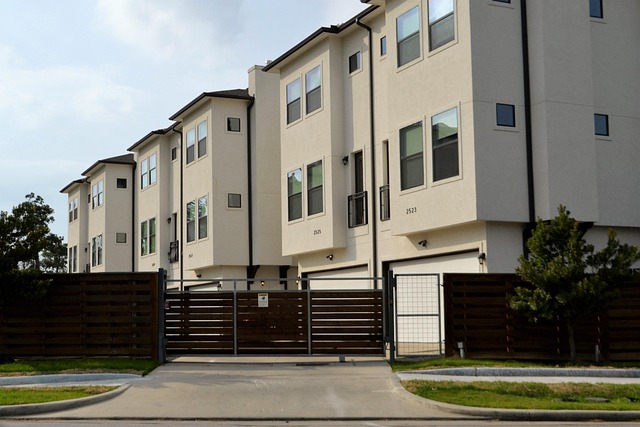
Local market trends play a pivotal role in determining fair market property value, serving as a cornerstone of real estate valuation. These trends encompass a wide array of factors, from economic indicators to demographic shifts, that collectively shape the real estate landscape. For instance, robust job growth and rising incomes often precipitate increased demand for housing, driving up property values across the board. Conversely, economic downturns or declining employment rates can lead to decreased property valuations as buyers grow more cautious.
Demographic changes, such as population growth or aging populations, also significantly influence real estate markets. Areas experiencing population influxes typically witness higher housing prices due to heightened demand. In contrast, regions with declining populations may face subdued property values resulting from a surplus of homes on the market. Real estate professionals must stay abreast of these trends to accurately assess property values and advise clients accordingly.
Moreover, local market trends interact dynamically with broader economic forces. For example, while national economic indicators like interest rates can impact real estate value, local factors such as school quality and community amenities often hold greater sway over buyers’ decisions. Integrating these micro- and macro-economic elements allows appraisers to arrive at more precise property valuations. By understanding the intricate interplay of these trends, experts in the field can provide valuable insights that enhance the transparency and integrity of real estate transactions.
Comparative Analysis: Benchmarking Against Similar Properties

Determining fair market property value through a comparative analysis is a cornerstone of accurate real estate appraisals. This method involves benchmarking a subject property against similar properties, or comparables, within the same market area. By analyzing sales data for comparable properties, appraisers can factor in attributes such as location, size, age, condition, and unique features to arrive at an objective value estimate. For instance, consider two single-family homes in neighboring neighborhoods. Both are of similar age, but one has a newer roof and updated kitchens while the other requires significant repairs. In this scenario, the appraiser would adjust the valuation accordingly, accounting for these tangible differences that impact market appeal.
Furthermore, comparative analysis enables appraisers to consider market trends and recent sales activity. A surge in property values within a specific area, driven by economic factors or new infrastructure development, can significantly influence the fair market value of comparable properties. Conversely, declining home prices due to an economic downturn may depress the valuation of similar properties in the vicinity. Accurate benchmarking against these trends ensures that property valuations remain grounded in current market conditions.
Practical advice for real estate professionals involves maintaining a comprehensive database of recent sales within the local market. This includes documenting not just the final sale price but also any concessions made, such as closing costs or repairs covered by the seller. By regularly updating this data and comparing it against new listings, appraisers can enhance the accuracy of their analyses. Moreover, engaging with experienced real estate agents who have deep insights into local markets can provide valuable comparable data and market intelligence, ultimately refining the fairness and reliability of property valuations.