Real estate fair market value assessment requires a comprehensive analysis of macro-level trends (economic indicators, industry growth) and micro-level asset specifics (location, condition, features). Key data sources include government databases, real estate associations, and local newspapers. Comparative methods (sales comparison, direct/cost approach) are used for unique properties. Location factors (amenities, transportation hubs) significantly impact value; market comparison data and historical sales are vital. Macro-economic conditions refine estimates. Integrating these considerations enhances accuracy in real estate transactions.
In the dynamic realm of real estate, accurately determining fair market property value is a cornerstone for informed decision-making. This critical process ensures equity for sellers, buyers, lenders, and investors alike. However, the current landscape presents challenges, as traditional appraisal methods may fail to capture the nuanced factors influencing modern properties. To address this, our authoritative article delves into innovative approaches leveraging cutting-edge data analytics and advanced algorithms. By exploring these methodologies, we aim to provide a comprehensive solution for accurately evaluating real estate values in today’s complex market.
Analyzing Market Trends: Unlocking Real Estate Value

Analyzing market trends is a critical component in determining the fair market value of real estate. This involves a comprehensive examination of historical and current data points, including sales prices of comparable properties, rental rates, and economic indicators. For instance, a detailed study of a particular neighborhood’s real estate market over the past decade can reveal consistent appreciation rates, signaling a strong and healthy property value environment. According to a recent report by the National Association of Realtors, U.S. home prices have been steadily rising, with a 5.5% year-over-year increase in the first quarter of 2022.
Experts in the real estate sector emphasize the importance of staying abreast of local market dynamics. Factors such as employment rates, infrastructure developments, and demographic shifts can significantly influence property values. For example, a thriving tech industry in a particular city may drive up demand for office spaces and residential properties in that area. Conversely, economic downturns or natural disasters can lead to declines in property values. Real estate investors and appraisers should closely monitor these trends to make informed decisions.
Actionable advice for navigating this aspect includes collecting and analyzing data from reliable sources like government databases, real estate associations, and local newspapers. Engaging with experienced real estate agents can also provide valuable insights. Additionally, utilizing advanced analytics tools and software designed for market trend analysis can offer a competitive edge. By combining these strategies, professionals can unlock the true value of real estate assets, ensuring fair and accurate appraisals.
Comparative Analysis: The Cornerstone of Property Assessment

The determination of fair market property value is a complex process that relies heavily on comparative analysis—a cornerstone of real estate assessment. This method involves evaluating properties with similar characteristics to establish a benchmark for the target asset, ensuring an accurate valuation. By comparing numerous comparable sales, appraisers and assessors can account for regional trends, local market conditions, and unique property features, thereby providing a robust estimate of value. For instance, in urban areas like New York City, where real estate is highly coveted, a comparative analysis might include recent sales of similar townhouses or condos within the same neighborhood to gauge price per square foot and any premium attached to desirable amenities.
Practical insights from industry experts underscore the importance of thorough research and data-driven decisions in this process. The availability of digital platforms and online databases has revolutionized property assessment by offering accessible, up-to-date information on recent sales and market trends. For example, CoreLogic, a global data analytics company, provides comprehensive real estate datasets that include historical sales data, allowing professionals to identify patterns and make informed comparisons. However, experts caution against relying solely on digital sources, emphasizing the need for on-the-ground knowledge and local expertise to account for unique micro-market dynamics.
Furthermore, the complexity of property assessment necessitates a nuanced approach, especially when dealing with unique or non-standard assets. In such cases, professionals might employ advanced comparative approaches, such as the sales comparison method, direct comparison, or cost approach, to arrive at an accurate valuation. For instance, a rare historic property would require an in-depth analysis of similar landmarks’ recent sales and restoration costs to estimate its value accurately. Ultimately, the key to successful property assessment lies in a meticulous comparative analysis that considers both macro-level market trends and micro-level asset specifics, ensuring fair and reliable valuations in the dynamic real estate landscape.
Multifactor Evaluation: Refining Fair Market Estimates
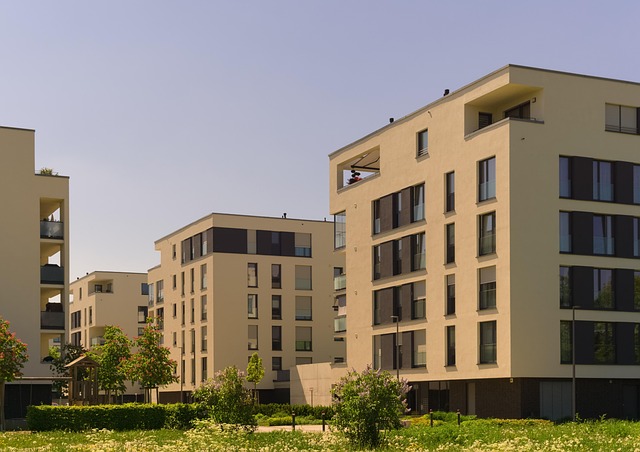
Determining fair market property value involves a multifactor evaluation process that refines estimates and ensures accuracy. Real estate professionals must consider a comprehensive set of factors, including location-based data such as neighborhood amenities, school districts, crime rates, and local economic trends. For instance, a property’s proximity to shopping centers, parks, or public transportation can significantly impact its value. According to recent studies, homes within 1.5 miles of urban transit stations sell for 10-20% more than comparable properties farther away.
Additionally, property characteristics like age, size, condition, and unique features play a crucial role. An expert appraiser will assess the architectural style, quality of construction, and any recent renovations or upgrades. For example, a well-maintained historic home with original architecture and high-end finishes might command a premium compared to a similarly sized modern structure. Market comparison data, including historical sales records and current listings, is also essential for making informed estimates.
Expert analysis further emphasizes the importance of macro-economic factors like interest rates, employment trends, and overall market conditions. A robust economy with low unemployment typically supports higher property values, while economic downturns can lead to more conservative assessments. By integrating these multifaceted considerations, real estate professionals can produce more precise fair market value estimates, enhancing trust and transparency in transactions.